2026 Wesley Studies Symposium

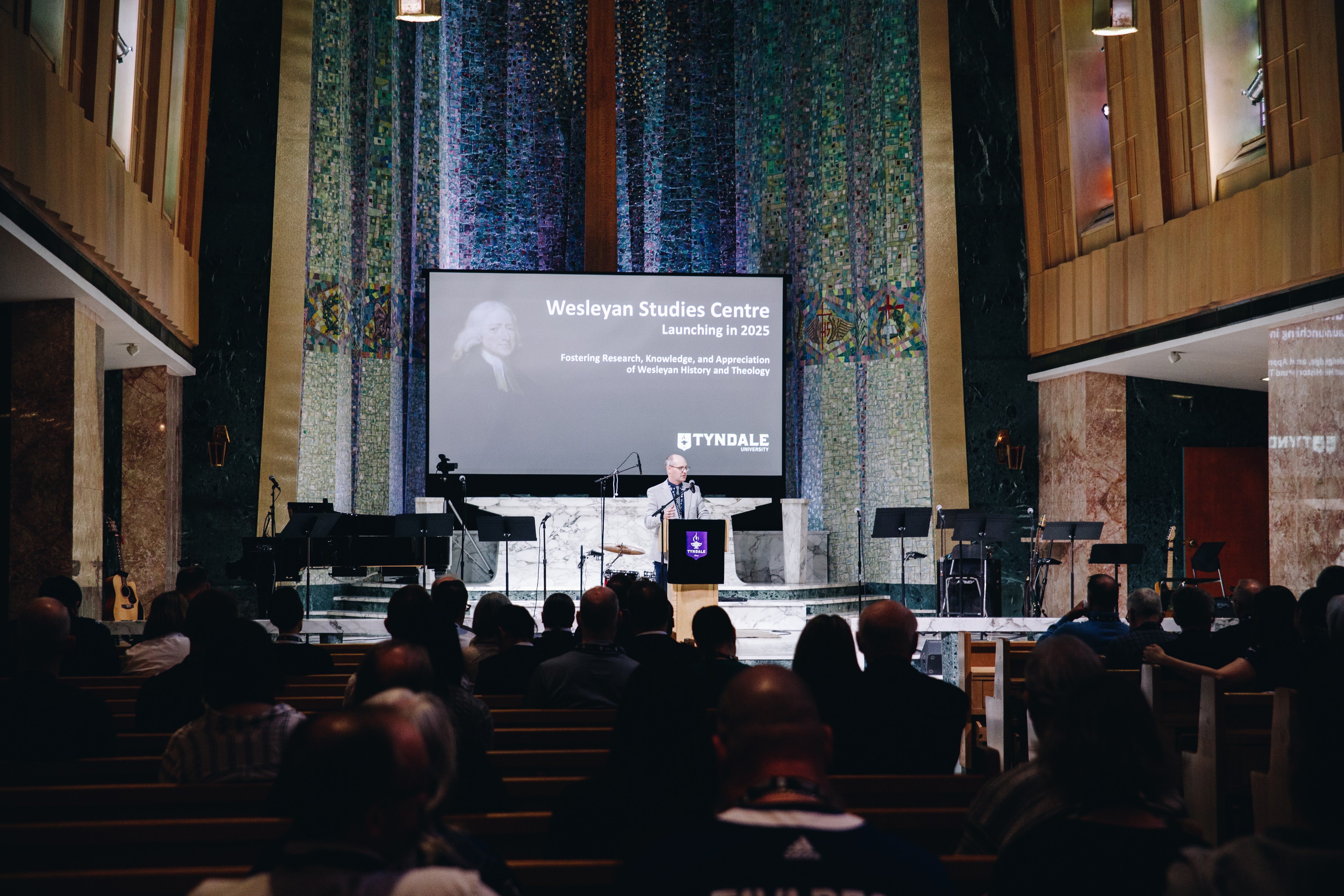
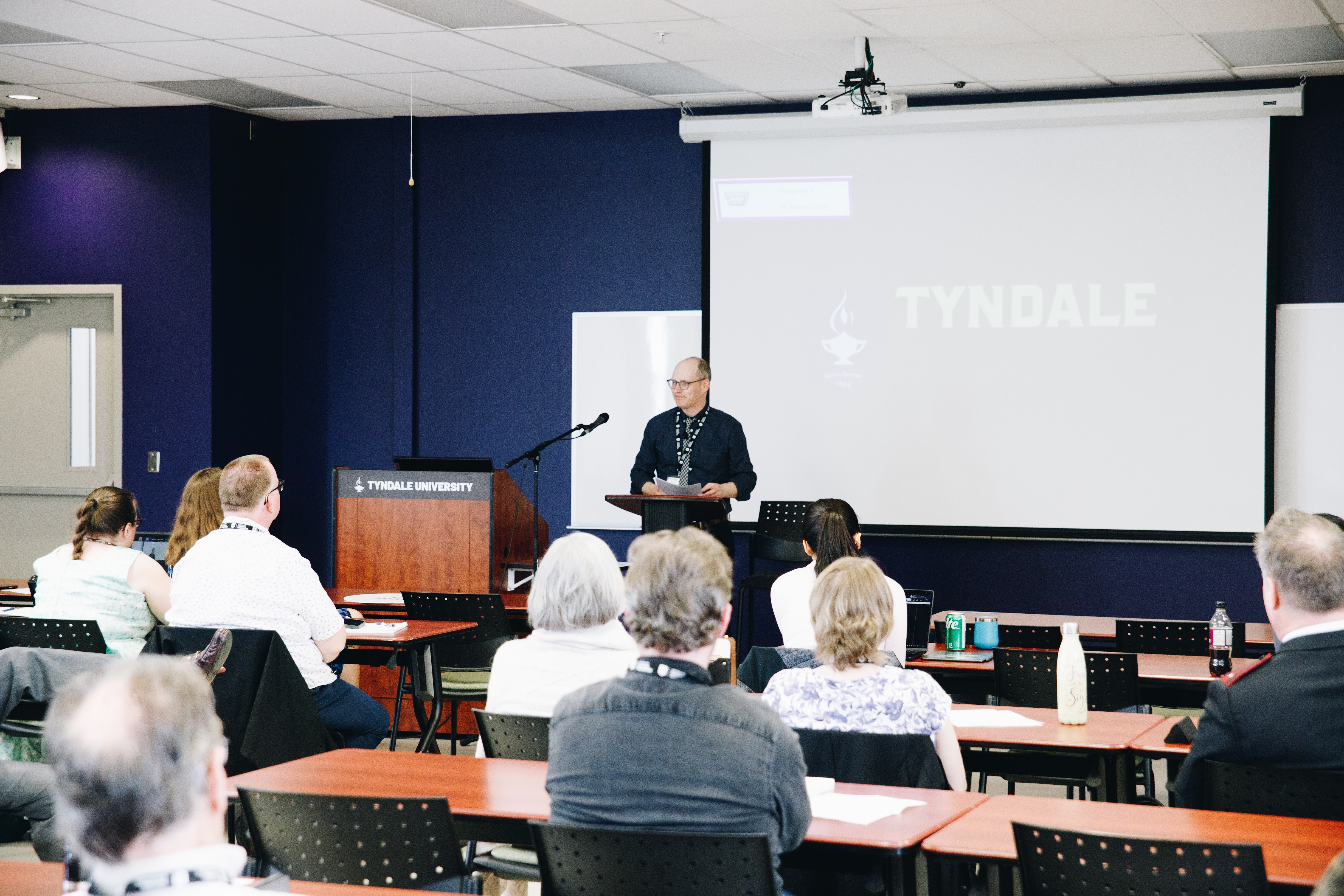
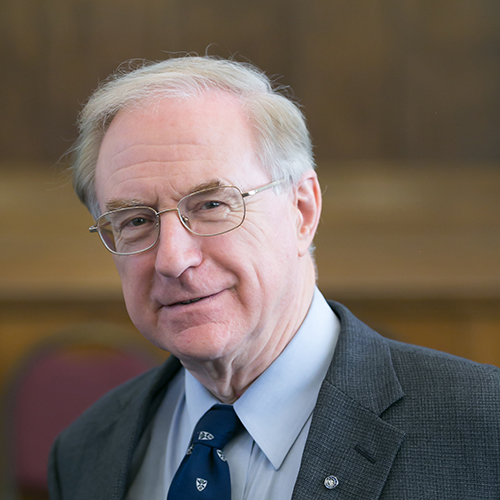
Registration is now open for the 2026 Wesley Studies Symposium on April 28 at Tyndale University, featuring Dr. David Bundy.

Dr. Bundy, who currently serves as Associate Director of the Manchester Wesley Research Centre, is a leading expert on Methodist, Holiness, and Pentecostal history, who has extensive international experience. He has degrees from Seattle Pacific University, Asbury Theological Seminary, the Université catholique de Louvain (Belgium), and Uppsala University (Sweden). Bundy has taught at dozens of theological schools around the world and served as a librarian and faculty member at Asbury Theological Seminary, Christian Theological Seminary, and Fuller Theological Seminary.

Dr Bundy’s keynote address is entitled, “Redeeming Humanity in Flawed Empires: Radical Holiness Networks, Social Systems, and Social Gospel in France and the United Kingdom 1870-1930.”

The Symposium will also feature the following presentations:

  • David Carr, “Cleansing and Community: Disability, Purification, and Corporate Agency in Mark’s Gospel”
  • Kimberly Lai, “Women, Scripture, and Interpretation in Eighteenth Century Methodism: The Case of Mary Bosanquet-Fletcher”
  • Matthew McEwen, “Faith and Patience in the Funeral Hymns of Charles Wesley”
  • Jeff McPherson, “Artificial Intelligence in Light of a Theology of the Cross”
  • Chris Payk, “Embattled Bishops: Chen Wenyuan and the Beginning of the Restriction on Religious Freedoms in the Early People’s Republic of China” [via zoom]
  • Victor Shepherd, “‘Do You Fear Spoiling Your Silken Coat?’ John Wesley on Money, Mammon, and the Meretricious”
  • Mark Wahba, “Comparing John Wesley’s Doctrine of Christian Perfection and the Eastern Orthodox Dogma of Theosis”

Registration is available for in-person and online attendance, with generous discounts for students.

Register here for the Symposium


The Scripture Untangled Podcast

It was my pleasure to be interviewed by Rev. Dr. Andrew Stirling for the “Scripture Untangled” podcast, a project of the Canadian Bible Society. We talked about my roots, my journey to faith and ministry, Christian unity, and the gift of God’s Word in a post-truth age, among other things.

2025 Symposium Audio

This a very belated update, sharing audio files from this year’s Wesley Symposium at Tyndale. Although Dr Thomas Noble was not able to join us, I was privileged to read his keynote address on his behalf. We had a strong lineup of presenters this year, and our highest attendance to date. The recordings of this year’s event are now available on the Symposium website.

For this interested, next year’s Symposium will take place on Tuesday, April 28, with Dr. David Bundy as the keynote speaker. Dr. Bundy is a leading expert in Methodist, Holiness, and Pentecostal history, with an unparalleled knowledge of these movements in global contexts. You can read more about him on his profile page at the Manchester Wesley Research Centre.

2025 Wesley Studies Symposium with Thomas Noble

Since 2009, Tyndale Seminary has convened an annual Wesley Studies Symposium. The 2025 event will take place on Tuesday April 29. This year’s keynote speaker will be Dr. Thomas Noble, a leading theologian in the Church of the Nazarene. He is the author of the important book, Holy Trinity, Holy People, and is currently writing a major multi-volume work, Christian Theology.

Dr. Noble’s keynote address is titled, “Christian Holiness and the Triune God.”

Other confirmed presenters include:

  • Bruce Cromwell, “Biblically Faithful Ministry with the LBGTQ+ Community”
  • Chris Payk, “The Complex Legacy of Methodism in the Life of Wang Mingdao” [via zoom]
  • Aaron Perry, “Wide, Wild, and Deep: Theology for Ordained and Lay Ministry.”
  • Chun Hoi Heo, “The Philosophical Character of Wesley’s Theology”
  • Michael Reardon, “Recent Protestant Approaches to Deification in dialogue with Wesley’s View of Sanctification.”
  • Tom Elliott, “Christian Formation in John Wesley’s Preaching Ministry.”
  • Aaron Perry, “Wide, Wild, and Deep: Theology for Ordained and Lay Ministry.”
  • John Clifton, “The Homeless Man as a Christological Paradigm of Powerlessness” [via zoom]
  • Grant Gordon, “Newton’s Reflections on Wesley’s Sermons”

Visit the Symposium Webpage to find details about the schedule and registration.

Sermon Series on the Word of God

This summer I had an opportunity to preach a three-part series and chose to focus on the Word of God. I felt a burden to do so because I realized that we appeal to Scripture constantly at my church, but we haven’t often preached or taught about Scripture as the Word of God–its authority, inspiration, etc.–and how Scripture as the Word written relates to Jesus as the Word Incarnate and preaching as the Word proclaimed.

It was hard to choose how to approach it and could have stretched the series even further, but decided to go with 1) Word of Truth, 2) Word of Power, 3) Word of Life. I hope you might find these edifying.

The Word of Truth (Psalm 119:41-56; July 28, 2024)

The Word of Power (Isaiah 55; August 18, 2024)

The Word of Life (Deuteronomy 30:11-20; August 25, 2024)

The Catholicity of the Heart: Pathologies and Prospects

It was my honour and privilege to serve as President of the Wesleyan Theological Society for the past year. The President of the society chooses the theme for annual meeting and delivers the Presidential Address. I chose the theme “evangelical catholicity,” a term that has been used to describe John Wesley’s theological outlook, but has also been used to describe other thinkers and movements within the church.

The Annual Meeting was held March 1-2 at Trevecca Nazarene University, and I was delighted to see the way the theme was taken up by the many presenters who gave papers. My biggest frustration was that I was unable to be in multiple places at the same time, and I couldn’t hear all the papers that caught my interest.

Samuel Chadwick

The Presidential Address took up the theme, “The Catholicity of the Heart: Pathologies and Prospects.” It began by considering the two key figures from the closing chapter of my recently-published book, Samuel Chadwick and Arthur Samuel Peake. Chadwick was a theological conservative, and Peake a liberal, but they shared a kind evangelical catholicity that was more characteristic of eighteenth and nineteenth century evangelicalism. That is, their evangelicalism was, broadly speaking, about fostering the “religion of the heart” and struggling to eliminate nominal Christianity. I employed a threefold typology proposed by Donald Dayton to distinguish this type of evangelicalism from twentieth century evangelicalism. Then I noted some of the evident weaknesses of framing evangelical catholicity as the “catholicity of the heart,” and attempted to respond to some of those weaknesses with reference to John Wesley’s own evangelical catholicity. I concluded with my reasons for holding out hope for the catholicity of the heart.

I have an audio recording posted below; it is not very good quality, but I hope it is audible throughout. The written version of the address still needs some polish, but it will be published in next spring’s issue of the Wesleyan Theological Journal.