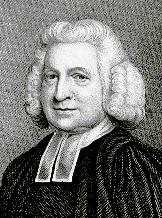
Here’s an interesting one from Charles Wesley, called “Ah, lovely appearance of death.” We don’t sing about death too much these days. We don’t even like to talk about it, actually – we avoid the topic of death at all costs. But it was not always so. In much of human history, death was a much less “avoidable” topic – it was simply a part of every day life.
The early Methodists believed in “holy dying” as well as “holy living.” That is, they thought a holy life needed to be crowned by a holy death, and therefore they spent significant time reflecting on what it meant to die well. Methodist publications would frequently include death-bed stories, as examples to other believers about how death was to be faced.
Reading this hymn today seems almost comical – there’s just no way you’d get away with singing about the delight of surveying a corpse in today’s Church. Still, though we might not sing it, there could be a lesson here for us: this hymn reminds us that as Christians, we ought to be able to talk freely about our mortality. We don’t need to fear death – but we shouldn’t avoid talking about it either.
Ah, lovely appearance of death!
What sight upon earth is so fair?
Not all the gay pageants that breathe
Can with a dead body compare.
With solemn delight I survey
The corpse when the spirit is fled,
In love with the beautiful clay,
And longing to lie in its stead.
♦
How blest is our brother, bereft
Of all that could burden his mind;
How easy the soul that has left
This wearisome body behind!
Of evil incapable thou,
Whose relics with envy I see,
No longer in misery now,
No longer a sinner like me.
♦
This earth is afflicted no more
With sickness, or shaken with pain;
The war in the members is o’er,
And never shall vex him again;
No anger henceforward, or shame,
Shall redden this innocent clay;
Extinct is the animal flame,
And passion is vanished away.
♦
This languishing head is at rest,
Its thinking and aching are o’er;
This quiet immovable breast
Is heaved by affliction no more;
This heart is no longer the seat
Of trouble and torturing pain;
It ceases to flutter and beat,
It never shall flutter again.
♦
The lids he seldom could close,
By sorrow forbidden to sleep,
Sealed up in eternal repose,
Have strangely forgotten to weep;
The fountains can yield no supplies,
These hollows from water are free,
The tears are all wiped from these eyes,
And evil they never shall see.
♦
 To mourn and to suffer is mine,
While bound in a prison I breathe,
And still for deliverance pine,
And press to the issues of death.
What now with my tears I bedew
O might I this moment become,
My spirit created anew,
My flesh be consigned to the tomb!


 James Pedlar